07012133800

Humanitarian challenges in Africa are multifaceted, affecting millions of people across the continent. These challenges are often interrelated, exacerbated by political instability, economic crises, climate change, and health emergencies. Some of the key humanitarian issues facing Africa include:
Civil Wars & Armed Conflicts: Ongoing conflicts in countries like South Sudan, the Central African Republic, and Ethiopia have displaced millions of people, destroyed infrastructure, and led to widespread human rights abuses. Armed groups and insurgent movements, such as Boko Haram in Nigeria and al-Shabaab in Somalia, continue to cause instability.
Ethnic Tensions: Many African nations face ethnic tensions and violence, which are sometimes exacerbated by political manipulation. These conflicts often lead to massacres, displacement, and large-scale human suffering.
Internal Displacement: Millions of Africans are displaced within their own countries due to violence, natural disasters, or economic hardships. According to the UNHCR, Africa has one of the largest populations of internally displaced persons (IDPs) in the world.
Refugees: Conflicts in neighboring countries often lead to mass refugee flows. Nations like Uganda, Kenya, and Sudan host large numbers of refugees fleeing violence from countries such as South Sudan, Somalia, and the Democratic Republic of Congo (DRC).
Famine: Regions like the Horn of Africa and parts of West and Central Africa experience recurrent famines due to droughts, conflicts, and poor agricultural practices. In countries such as Ethiopia, Somalia, and Sudan, millions of people face hunger and malnutrition.
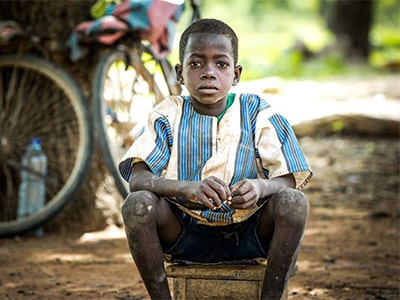
Poverty: Widespread poverty, combined with economic challenges and limited access to nutritious food, leaves many people vulnerable to chronic malnutrition. Children are especially at risk, with high rates of stunting and malnutrition-related deaths.
Droughts and Desertification: Many African nations are particularly vulnerable to the effects of climate change, including increasingly frequent and severe droughts. The Sahel region, in particular, is affected by desertification, which reduces the availability of arable land for farming and exacerbates food insecurity.
Flooding and Natural Disasters: Increased flooding, rising sea levels, and other natural disasters contribute to displacement, destruction of infrastructure, and loss of livelihoods, particularly in coastal and low-lying regions.
Diseases: Africa faces multiple health challenges, including high rates of infectious diseases like HIV/AIDS, tuberculosis, and malaria. Additionally, periodic outbreaks of diseases such as Ebola and cholera have had devastating impacts on communities.
Healthcare System Weaknesses: Many African countries struggle with inadequate healthcare infrastructure, shortages of medical supplies and personnel, and weak public health systems, making it difficult to address both routine and emergency health needs.
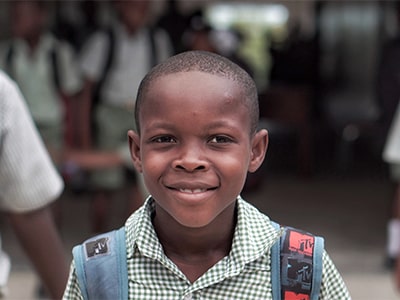
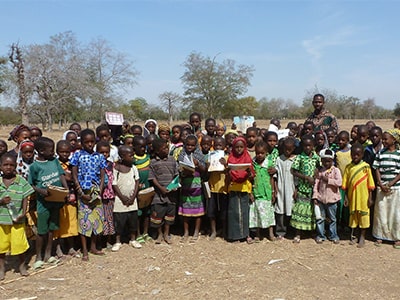
Low Enrollment Rates: Education systems across Africa face severe challenges, including overcrowded classrooms, underpaid teachers, and a lack of proper learning materials. While progress has been made, many children, particularly in rural areas, still lack access to quality education.
Child Labor: Poverty and lack of access to education force many children into labor, often in hazardous conditions such as agriculture, mining, or domestic work.
Gender-Based Violence: Women and girls in Africa face widespread gender-based violence, including sexual violence in conflict zones, early and forced marriages, and domestic abuse. This is further exacerbated by limited legal protection and societal norms that perpetuate discrimination.
Limited Access to Services: Women and girls often lack access to essential services, including sexual and reproductive health care, education, and economic opportunities, perpetuating cycles of poverty and inequality.
Corruption and Poor Governance: Weak governance, corruption, and lack of transparency undermine efforts to address humanitarian challenges. In many countries, the government’s inability to provide basic services, ensure security, and protect citizens’ rights contributes to social unrest.
Political Instability: Frequent changes in leadership, military coups, and autocratic regimes in some African countries disrupt social, economic, and political life, leading to human rights violations and worsening living conditions.
Water Scarcity: Many African countries struggle with water scarcity, particularly in the Sahel region, where droughts and poor water management exacerbate the crisis. Lack of access to safe drinking water and sanitation facilities is a major health concern.
Sanitation and Hygiene: Poor sanitation facilities contribute to the spread of waterborne diseases, particularly in refugee camps and rural areas with limited infrastructure.
High Unemployment Rates: Africa has high rates of youth unemployment, contributing to poverty, migration, and social instability. Many young people in Africa struggle to find meaningful employment, often leading to frustration, migration, and involvement in criminal activities.
Economic Inequality: Africa faces significant wealth inequality, with a small proportion of the population controlling a large percentage of the resources. This inequality perpetuates poverty and limits access to opportunities for many citizens.
Irregular Migration: Many Africans migrate irregularly to Europe or other parts of the world in search of better opportunities, often facing dangerous and exploitative conditions. The Mediterranean remains a dangerous route for many migrants seeking a better life in Europe.
Human Trafficking: The trafficking of women, children, and men for forced labor, sexual exploitation, and other forms of abuse is a growing problem in parts of Africa. Many countries lack the resources to adequately combat trafficking networks and protect victims.
Conclusion
Addressing these humanitarian challenges requires coordinated efforts from African governments, international organizations, civil society groups, and the private sector. While progress has been made in some areas, the complexity and scale of the issues demand more investment, policy reforms, and international solidarity.

Lorem ipsum dolor sit amet elit. Integer lorem augue purus mollis sapien, non eros leo in nunc. Donec a nulla vel turpis tempor ac vel justo. In hac platea dictumst.
Josh Dunn
01 Jan 2045 at 12:00pmLorem ipsum dolor sit amet elit. Integer lorem augue purus mollis sapien, non eros leo in nunc. Donec a nulla vel turpis tempor ac vel justo. In hac platea dictumst.
ReplyJosh Dunn
01 Jan 2045 at 12:00pm
Lorem ipsum dolor sit amet elit. Integer lorem augue purus mollis sapien, non eros leo in nunc. Donec a nulla vel turpis tempor ac vel justo. In hac platea dictumst.
ReplyJosh Dunn
01 Jan 2045 at 12:00pm
Lorem ipsum dolor sit amet elit. Integer lorem augue purus mollis sapien, non eros leo in nunc. Donec a nulla vel turpis tempor ac vel justo. In hac platea dictumst.
Reply